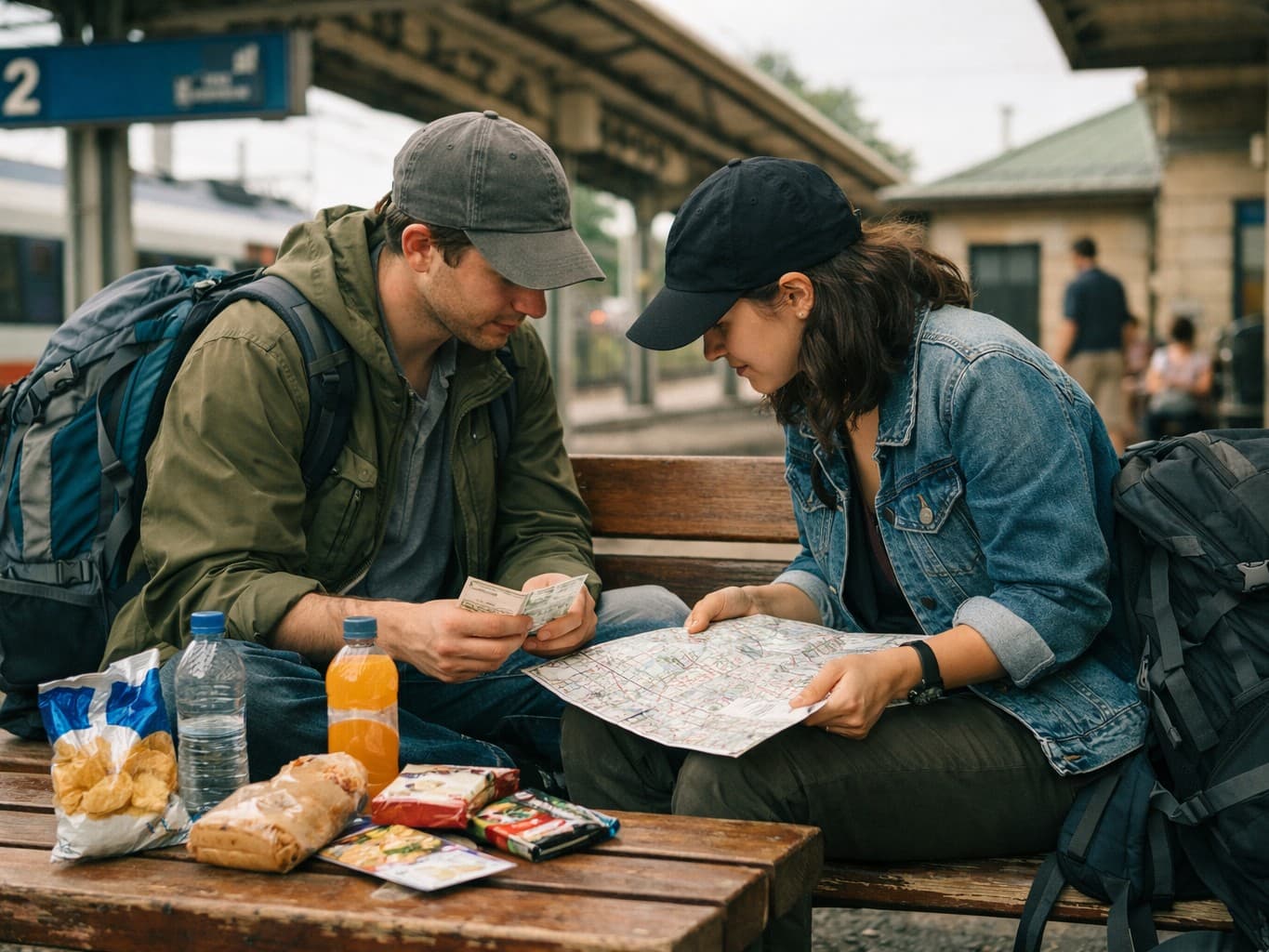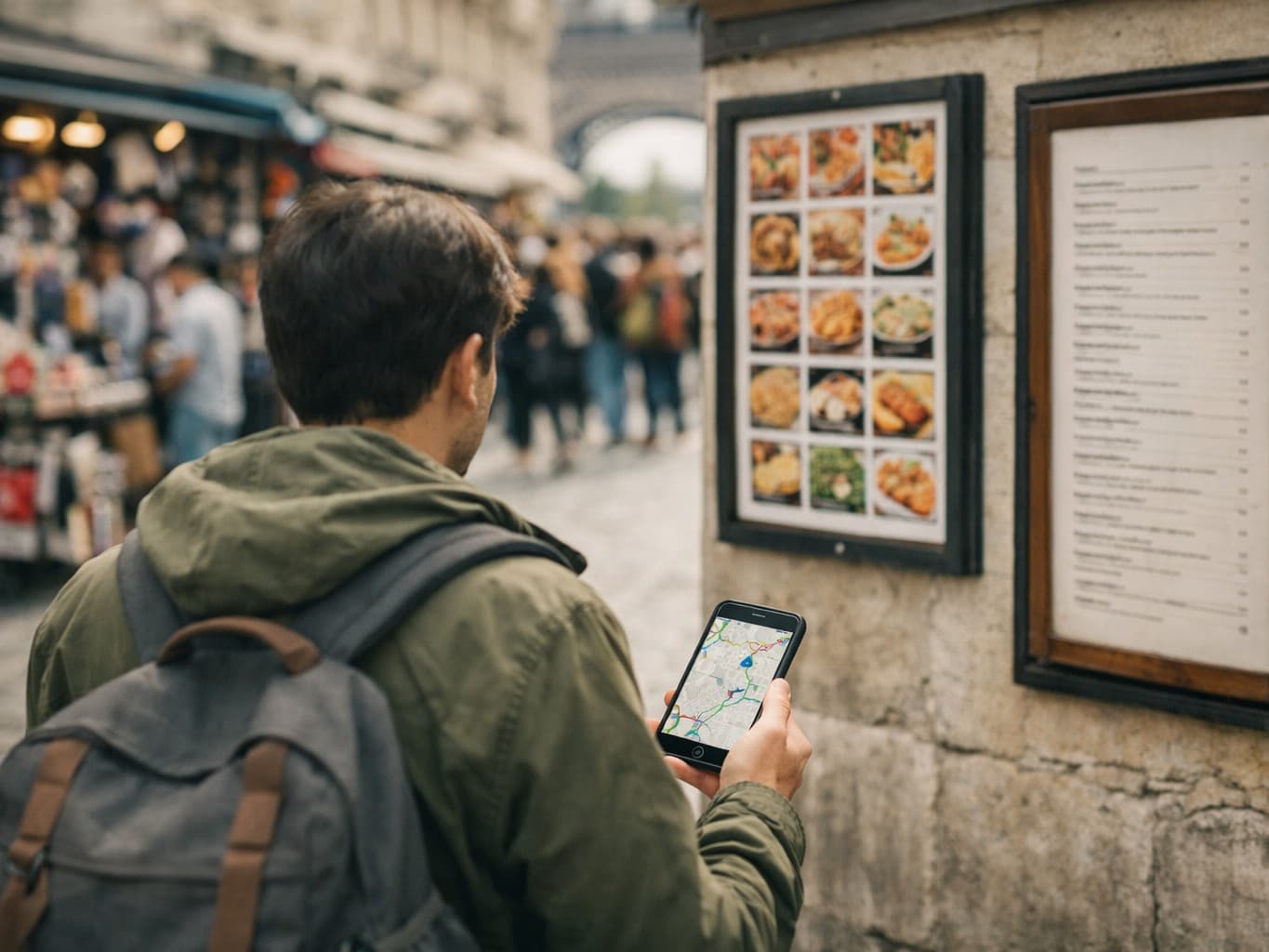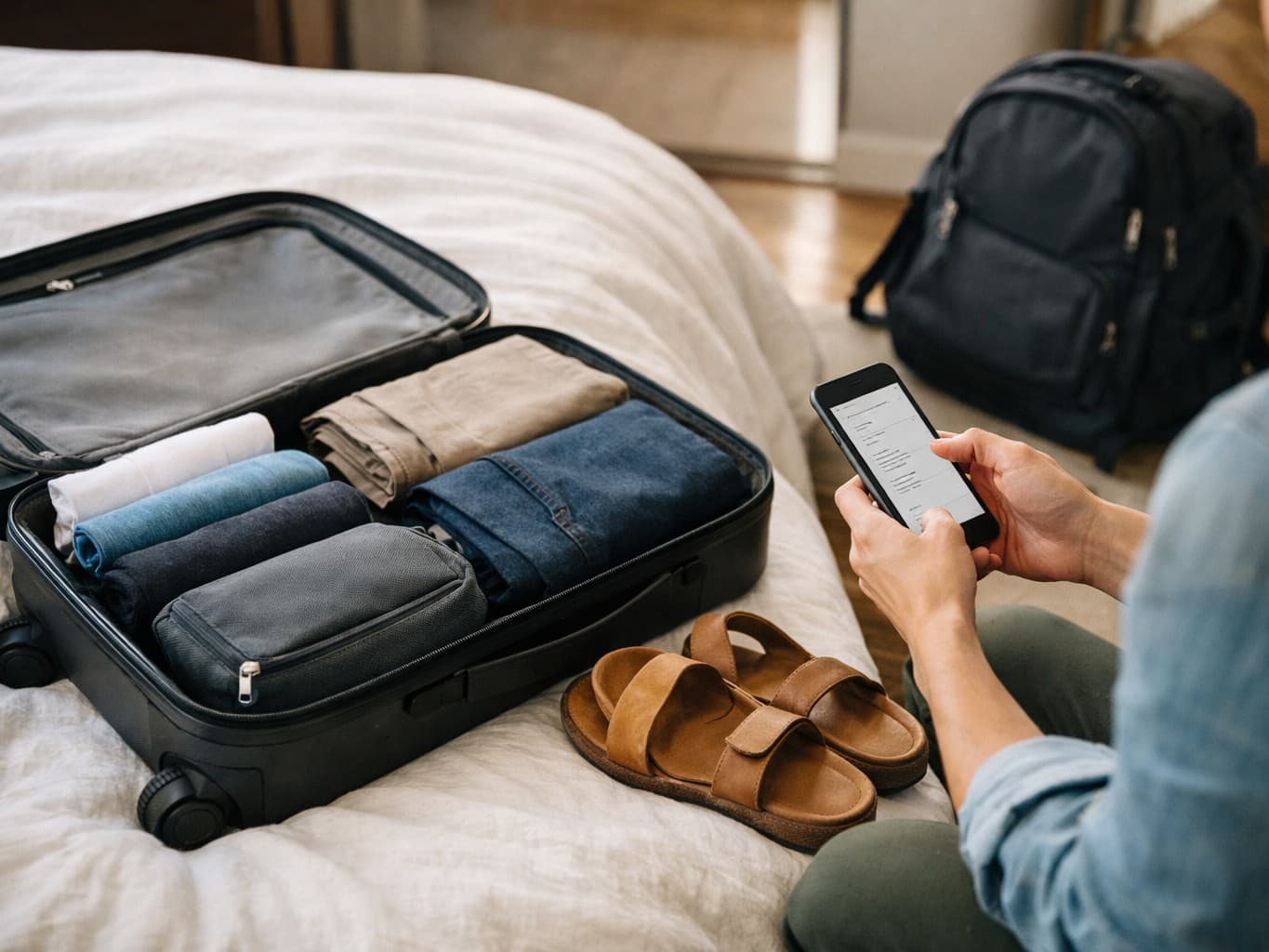
Safest Solo Travel Destinations and How to Choose Them
A practical guide to the safest solo travel destinations, what makes a place feel safe, and how to plan smarter before you go.
Deelo Editorial
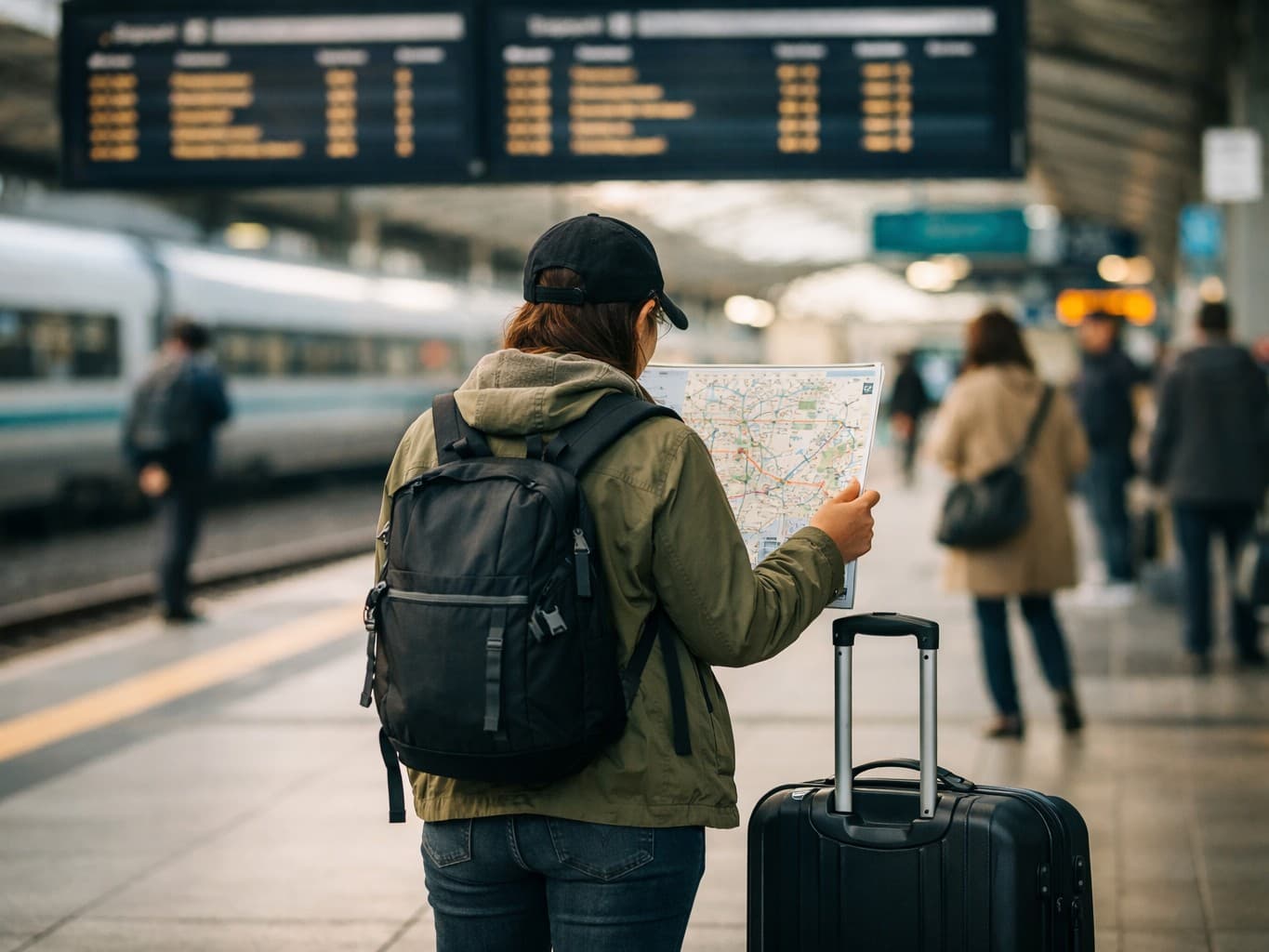
Some of the safest solo travel destinations are countries and cities with reliable public transport, walkable neighborhoods, low-friction tourism infrastructure, and a culture where being alone does not draw much attention. For most travelers, that points toward places like Japan, Singapore, Portugal, the Netherlands, Denmark, Iceland, Ireland, Slovenia, Switzerland, and well-organized parts of Canada.
The important caveat is that “safest” is not a fixed list. Safety depends on your habits, your budget, the neighborhood you stay in, the time you arrive, how you move around, and what kind of trip you are actually taking.
Solo travel safety gets discussed in a vague way, which is not very useful when you are deciding where to book. A better approach is to look at the traits that tend to make destinations work well for people traveling alone, then use those traits to narrow your options.
What actually makes a solo travel destination feel safe
A place can have a good general reputation and still be a poor fit for solo travel. The difference usually comes down to everyday friction.
Reliable transport matters more than postcard appeal
If trains and buses are easy to understand, run predictably, and connect airports to city centers without drama, a lot of solo-travel risk drops immediately. You spend less time stranded, less time negotiating with opportunistic drivers, and less time wandering with your luggage while distracted.
This is one reason many solo travelers feel comfortable in parts of Japan, the Netherlands, Denmark, Switzerland, and Singapore. You can land, follow signs, tap a card or buy a clear ticket, and reach your accommodation without improvising under pressure.
Walkability and public life reduce isolation
A safe-feeling destination is usually one where streets stay active, cafes and shops are open into the evening, and people are accustomed to seeing someone dining or exploring alone. Busy does not automatically mean safe, but empty streets can feel riskier when you do not know the area.
Good solo destinations often have a strong “public life” culture: parks, transit, sidewalks, bookstores, bakeries, museums, and everyday places where you can exist without needing a group around you.
Predictable costs help you avoid bad decisions
Budget pressure creates safety pressure. If your room is far outside the city because it was cheap, you may end up walking through unfamiliar areas late at night. If local transport is confusing or expensive, you may accept rides you would otherwise avoid.
That is why cost and safety are tied together more than travel content usually admits. If you are building a lower-cost trip, Budget Travel Europe: A Practical Guide to Spending Less is worth reading alongside this article because staying central, booking the right transport, and avoiding false bargains often improves safety as much as it saves money.
Low scam pressure is a major advantage
Many solo travelers are less worried about violent crime than about being worn down by small scams, aggressive selling, fake helpers, overcharging, or transport confusion. A destination with lower scam pressure lets you keep your attention for navigation and actual enjoyment.
This is also where basic tourist-trap awareness helps. How to Avoid Tourist Traps Without Missing the Best Parts covers the practical signs that a place or service is designed to separate visitors from their money without giving much value back.
Safest solo travel destinations worth considering
No destination is risk-free, and no country is uniformly easy. But these places consistently come up for good reason when travelers look for manageable, low-friction solo trips.
Japan
Japan is often near the top of solo-travel safety conversations because it combines orderly public transport, clear urban infrastructure, convenience stores everywhere, and a culture that generally respects personal space. Solo dining is normal, trains are widely used, and many cities are easy to navigate once you understand the transit map.
For first-time solo travelers, Tokyo and Kyoto are common entry points, but smaller cities can also work well if you want a calmer pace. The main challenges are not usually personal safety so much as sensory overload in major stations, occasional language friction, and the temptation to overpack your itinerary.
Why it works well:
- Excellent transport
- Strong convenience infrastructure
- Being alone does not stand out much
- Easy to fill a day without needing companions
Singapore
Singapore is compact, highly organized, and straightforward for solo travelers who want a place that feels legible from day one. Public transport is clean and efficient, English is widely used, and many neighborhoods are easy to explore on foot.
It is not a budget destination by regional standards, but the tradeoff is ease. If you want a lower-stress first solo trip in Asia, Singapore is one of the clearest options.
Why it works well:
- Very easy airport-to-city transfer
- Clear rules and signage
- Safe-feeling public spaces
- Food courts and hawker centers make solo meals easy
Portugal
Portugal is one of the more approachable solo destinations in Europe because it offers a relatively relaxed travel rhythm, established tourism infrastructure, and cities where walking, public transport, and casual dining all work well for one person. Lisbon and Porto are the usual starting points.
The main cautions are practical ones: hilly streets, pickpocket awareness in crowded transit zones, and accommodation quality that can vary more than photos suggest.
Why it works well:
- Friendly to independent travelers
- Good value compared with some Western European alternatives
- Strong hostel and guesthouse culture
- Plenty to do without needing a car
Netherlands
The Netherlands works well for solo travelers who like structure. Trains are practical, cities are compact, English is widely spoken, and urban design makes moving around feel intuitive. Amsterdam gets most of the attention, but cities like Utrecht, Haarlem, and Rotterdam can be easier to enjoy at a slower pace.
The main downside is cost, especially if you book late.
Why it works well:
- Clear transit systems
- Bike and walking infrastructure
- Easy city-to-city travel
- High comfort level for eating and exploring alone
Denmark
Copenhagen is one of the easier European capitals to handle solo. The city is organized, transit is simple, and many neighborhoods feel active without being chaotic. It is expensive, but for travelers who value ease and predictability, that can still be worth it.
Why it works well:
- Calm urban environment
- Strong public transport and cycling culture
- Good English proficiency
- Manageable scale for a city break
Iceland
Iceland is often seen as a safe choice because of its overall social stability and strong tourism infrastructure. Reykjavik is easy to navigate, and many solo travelers use it as a base for day tours if they do not want to drive.
The biggest issue here is not usually crime but logistics. Weather changes quickly, distances can be deceptive, and a cheap-looking plan can become expensive fast.
Why it works well:
- Good option for nature-focused travelers
- Easy organized tours from Reykjavik
- Small capital city with straightforward layout
- Strong appeal for travelers who prefer quiet over nightlife
Ireland
Ireland is a solid option for travelers who want English-language ease, a sociable pub and cafe culture, and a relatively approachable first trip in Europe. Dublin is the obvious hub, but smaller cities and towns can be more comfortable if you want less intensity.
As with most popular cities, late-night judgment matters. The broad appeal is that communication is easy, day trips are plentiful, and traveling alone does not feel unusual.
Why it works well:
- Language ease for many visitors
- Friendly everyday interactions
- Good base for city-plus-countryside trips
- Comfortable for travelers who like conversational places
Slovenia
Slovenia is often overlooked, which is part of its appeal. Ljubljana is compact, attractive, and manageable, and the country makes it possible to combine an easy city stay with lakes, mountains, or short regional trips.
Why it works well:
- Smaller scale reduces stress
- Easy to see a lot without long distances
- Good choice for travelers who want Europe without the biggest crowds
- Pleasant for walking and independent sightseeing
Switzerland
Switzerland is expensive, but it is also one of the easiest places to move through smoothly. Trains are dependable, stations are clear, and even complex multi-stop itineraries can feel manageable if you plan ahead.
Why it works well:
- Excellent rail system
- Strong sense of order and predictability
- Good fit for scenic solo travel
- High ease if your budget can support it
Canada
Canada can be a strong solo-travel option, especially in cities with good transit and well-developed visitor infrastructure. Montreal, Vancouver, Quebec City, and parts of Toronto are common choices. The right fit depends heavily on season, neighborhood, and whether you are planning an urban or nature-heavy trip.
Why it works well:
- Familiar infrastructure for many travelers
- Diverse city options
- Good mix of outdoor and urban experiences
- Relatively easy planning in major destinations
Best destinations by solo traveler type
A long “safest destinations” list is less helpful than matching the place to the traveler.
Best for first-time solo travelers
If you have never traveled alone before, choose ease over ambition. Good starter options include:
- Singapore
- Portugal
- Ireland
- Copenhagen
- Japan
These places reduce common first-trip stressors: confusing transport, language friction, social discomfort around solo dining, and chaotic arrivals.
Best for solo travelers on a Europe budget
If cost matters but you still want places that feel manageable, look at:
- Portugal
- Slovenia
- Some smaller cities in the Netherlands if booked early
- Select parts of Ireland outside peak periods
Budget changes the safety equation, so prioritize central lodging, airport access, and neighborhoods with activity after dark. A slightly pricier room in a better location is often the safer and saner choice.
Best for nature-focused solo travelers
If your idea of safety includes quiet, scenery, and less nightlife, consider:
- Iceland
- Switzerland
- Slovenia
- Parts of Canada
These destinations are excellent, but nature adds its own risks: weather, trail conditions, limited transport, weak phone signal, and long distances between services.
Best for city explorers who do not want to rent a car
For travelers who want museums, cafes, neighborhoods, and transit that actually works:
- Japan
- Singapore
- Netherlands
- Denmark
- Portugal
How to judge a destination beyond generic safety rankings
Country-level safety rankings can be a useful starting point, but they are blunt tools. Solo travel happens at street level.
Check the arrival chain
Ask yourself:
- Can I get from the airport or station to my lodging without needing a private ride?
- Will I arrive in daylight?
- Is the route obvious?
- If my phone battery dies, could I still manage it?
A destination can be “safe” and still be difficult if your arrival depends on multiple transfers, a late check-in, or a remote property with poor directions.
Look at neighborhood reality, not just country reputation
Read recent accommodation reviews for comments about:
- Walking back at night
- Noise and street activity
- Transit access
- Whether the area feels deserted after business hours
- Staff helpfulness during late arrivals
This matters more than broad country labels.
Test whether solo logistics are normal there
Look for signs that independent travel is routine:
- Lots of cafe counters or casual dining
- Strong public transport usage
- Day tours that accept single travelers without awkward pricing
- Museums and attractions that are easy to book online
- Safe-feeling central areas where people are out and about
Separate “low crime” from “low hassle”
Some places have relatively low serious crime but still create stress through transport confusion, relentless touting, payment friction, or poor pedestrian design. For many travelers, hassle is what makes them feel vulnerable.
Safety habits that matter more than the destination list
Choosing a good destination helps, but the biggest safety gains usually come from ordinary habits.
Arrive simpler than you think you need to
Do not schedule a complicated first night. Land, get to your accommodation, eat somewhere nearby, and sleep. Many avoidable mistakes happen because travelers try to sightsee while tired, disoriented, and carrying everything they own.
Pay for location when it matters
If your budget is tight, cut elsewhere first. Central accommodations near a transit line, in an active area, usually reduce both stress and exposure. Saving a small amount by staying far out can cost more in taxis, time, and judgment calls.
Keep your phone useful
Have:
- Offline maps
- The name and address of your lodging written down
- A backup payment method
- Enough battery for the transit leg and check-in
- A simple way to contact someone if your plans change
Do not outsource your judgment
Friendly strangers exist. So do opportunists. Treat unsolicited help, especially around ticket machines, transit hubs, and ATMs, with caution. If someone is genuinely helping, they will usually tolerate a polite no.
Build a “late-night rule” before you go
Decide in advance what you will and will not do when tired:
- No long walks in unfamiliar areas after midnight
- No changing neighborhoods for a cheaper bar or meal late at night
- No accepting random transport because you are impatient
- No arriving at remote lodging after dark unless you know exactly how it works
Pre-deciding reduces the chance that fatigue makes the decision for you.
Common mistakes people make when picking the safest solo travel destinations
Confusing popularity with safety
Popular destinations often have better infrastructure, but they also attract pickpockets, inflated prices, and tourist-targeted scams. Popular is not the same as simple.
Choosing based on aesthetics instead of movement
A beautiful place can still be frustrating if you need a car, if sidewalks are poor, or if public transport shuts down early. Think about how you will move through the destination, not just how it looks in photos.
Underestimating the role of budget
If your plan only works if nothing goes wrong, it is not a safe plan. Solo travelers need margin: enough money for a different train, a taxi in bad weather, one extra night, or a better-located room.
Packing too much into the itinerary
Every extra transfer and same-day connection adds fatigue and small chances for error. For solo travel, a simpler route is often the safer route.
A practical shortlist for most travelers
If you want the shortest useful answer, start with these:
- Best all-around first solo trip: Portugal or Singapore
- Best for transit ease: Japan or Switzerland
- Best for a compact city break: Copenhagen or Amsterdam with a central stay
- Best for quiet scenery: Iceland or Slovenia
- Best for English-language ease: Ireland or parts of Canada
The safest solo travel destinations are usually not the ones with the flashiest marketing. They are the ones where ordinary things work: trains run, neighborhoods stay active, signs make sense, meals alone feel normal, and getting from one place to another does not require constant improvisation.
Choose for friction, not fantasy. If a destination lets you move through the day without confusion, isolation, or budget stress, it is far more likely to feel safe once you get there.