Budget Travel Europe: A Practical Guide to Spending Less
A practical guide to budget travel in Europe, with clear ways to cut transport, lodging, food, and sightseeing costs.
Deelo Editorial

Budget travel Europe works best when you choose cheaper regions, book the expensive pieces early, and stay flexible on everything else. You do not need a perfect backpacker itinerary or extreme penny-pinching; you need a plan for the big costs first: flights, trains, beds, and daily food.
Europe can be cheap or expensive depending less on the continent itself and more on your route, season, and habits. A week split between London, Paris, and Amsterdam will feel very different from a week in parts of Portugal, Central Europe, the Balkans, or smaller cities outside the biggest capitals. If your goal is to travel longer without draining your savings, the smartest move is not squeezing every coffee purchase. It is designing a trip where your baseline costs are reasonable before you even leave home.
Start with the costs that decide the whole trip
Most travelers overspend on budget travel Europe for a simple reason: they focus on small savings while accepting expensive defaults on the big items. A cheaper lunch will not rescue a trip built around peak-season flights, high-speed rail booked late, and hotels in the historic center.
Think in layers:
1. Route
A route can make or break your budget. Western and Northern Europe often cost more, especially in famous capitals and resort areas. Southern, Central, and Southeastern Europe often offer better value, though prices still rise in popular cities and peak months.
A practical budget route usually has one of these shapes:
- one country, multiple cities
- one region, slow travel
- one expensive gateway city plus cheaper secondary destinations
- an open-jaw trip, flying into one city and out of another to avoid backtracking
The mistake is trying to “do Europe” in one trip. Every extra border crossing, rushed transfer, and short stay creates more transport costs, more baggage friction, and more chances to buy convenience at premium prices.
2. Season
Shoulder season is often the sweet spot for budget travel Europe. Prices are often lower than peak summer, and you avoid some of the worst crowds. Weather is less predictable, but that trade-off is often worth it.
Peak summer can be the most expensive time to visit many parts of Europe, especially coastal destinations and school-holiday periods. Winter can be cheaper in some cities, though holiday markets, ski areas, and festive weeks can push prices up.
3. Pace
Moving every day or two is rarely budget-friendly. Even if a cheap train or bus exists, constant movement leads to:
- more booking fees
- more local transit costs
- more temptation to use taxis
- less ability to shop for groceries or settle into cheaper routines
- higher odds of paying for last-minute fixes
Staying three to five nights in each stop often gives you a better balance of value and variety.
Choose destinations for value, not just fame
The easiest way to make budget travel Europe realistic is to build around places where your money stretches further. Famous capitals can still fit your trip, but they work better as short stays than as the full plan.
Instead of asking, “What are the most iconic cities?” ask:
- Where are accommodation prices still manageable?
- Where can I walk or use local transit easily?
- Where can I eat well without sitting down for a pricey tourist-menu meal?
- Where are museums, public spaces, beaches, hikes, or old towns available without heavy daily spending?
This is also where smaller cities help. Major capitals concentrate demand, and demand pushes up prices. Secondary cities often offer much of what travelers say they want from Europe: beautiful architecture, local food, manageable transit, and a sense of place.
If you do include major hotspots, be deliberate. Two days in a costly city can be satisfying. Seven days there can quietly blow the budget.
And once you arrive, avoiding overpriced experiences matters as much as choosing the right city. Our guide to How to Avoid Tourist Traps Without Missing the Best Parts pairs well with a Europe budget plan because many “must-do” purchases are simply bad value.
Flights, trains, and buses: where to spend and where to save
Transportation is one of the largest moving parts in any Europe budget.
Flights into Europe
For many travelers, the cheapest trip starts with flexibility on arrival city, not fixed loyalty to one destination. It is often worth checking several gateway cities and comparing the full trip cost afterward, not just the airfare.
A cheaper flight into one city is not actually cheaper if it forces an expensive same-day train, airport hotel, or separate flight. Compare total door-to-door cost, including baggage and transfers.
Trains
Train travel in Europe can be excellent, but “Europe by rail” is not automatically the cheapest choice. In some countries, booking earlier helps a lot. In others, regional trains may offer better value than premium high-speed options if you have time.
Good rules of thumb:
- book long intercity routes early when possible
- compare high-speed and regional options
- avoid assuming a rail pass is automatically worth it
- look at total trip count before buying any pass
A rail pass can make sense for flexibility or for a route with enough eligible long-distance travel. But many travelers buy one because it feels efficient, then discover reservations, supplements, and route limitations reduce the savings.
Buses
Buses are often the cheapest intercity option, especially on routes where trains are limited or expensive. They are usually slower, but on a tight budget, slower is often the trade you make.
An overnight bus or train can sometimes save a night of accommodation, but only if you still function the next day and do not end up paying for extra meals, storage, or a recovery taxi because you are exhausted.
Local transit
A transit-rich city is a budget city for visitors. Before booking accommodation, check whether you can get around by metro, tram, bus, or foot. A “cheap” room far outside town can become expensive if you spend heavily on long daily commutes.
Accommodation: the biggest daily lever
For most travelers, accommodation is the category with the most room to optimize.
Hostels are not the only budget option
Dorm beds can be a strong value, but they are not always the cheapest or best fit, especially for couples or friends splitting a room. Compare:
- hostel dorms
- private hostel rooms
- budget hotels
- guesthouses
- simple apartment stays
- rooms outside the exact city center but near transit
Sometimes a basic private room in a less central neighborhood beats a central dorm once you account for sleep quality, kitchen access, and fewer incidental purchases.
Prioritize kitchens and supermarkets
One of the simplest budget travel Europe tactics is booking places with kitchen access, even if you only use it for breakfast and one easy dinner. You do not need to cook elaborate meals. Breakfast from a grocery store and a few picnic-style lunches can meaningfully lower daily spending.
Stay longer, save more
Short stays create extra cleaning fees, time pressure, and transport costs. A slower itinerary often leads to better nightly rates and fewer “we’re tired, let’s just pay for whatever is nearby” decisions.
Watch the hidden costs
The cheapest headline price is not always the cheapest stay. Check for:
- baggage storage fees
- city taxes
- linen or towel charges
- late check-in fees
- parking fees if you rent a car
- transport costs from remote locations
Food without turning the trip into survival mode
Budget travel Europe does not require living on instant noodles. It does require being selective about where restaurant meals fit.
Use a simple food system
A realistic low-cost pattern looks like this:
- grocery-store breakfast
- casual lunch or bakery meal
- one sit-down meal every day or two, depending on your budget
- snacks and water bought at supermarkets, not tourist kiosks
This keeps food enjoyable without making every meal a budget problem.
Eat where local routines still exist
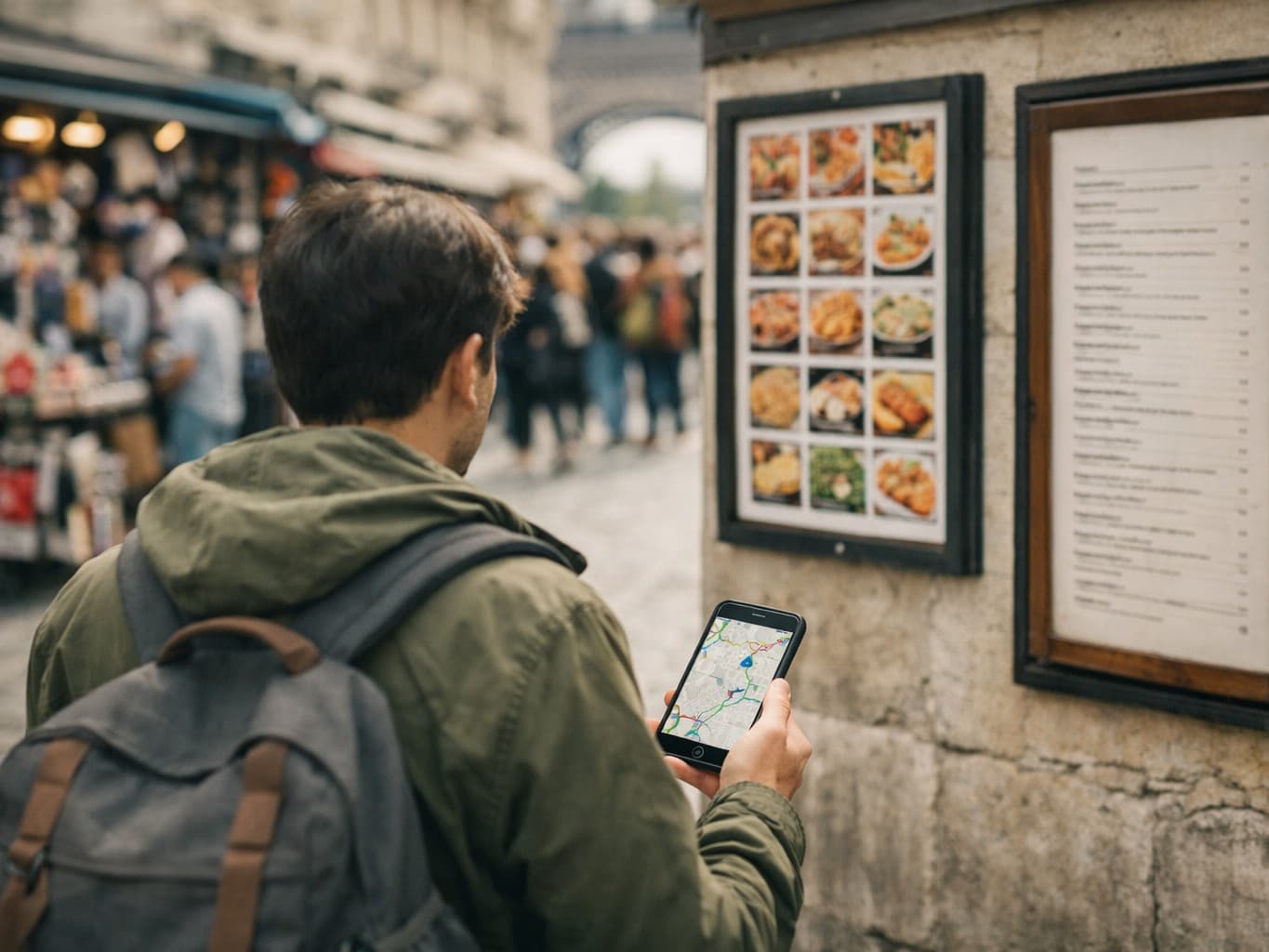
Areas built around tourists often have inflated prices and lower quality. Walk a few streets away from the main square or landmark and compare. A neighborhood bakery, market, or lunch spot often beats a picture-menu restaurant beside the attraction.
Lunch can be better value than dinner
In many places, lunch is a cheaper time to try local food, whether through set menus, simpler counter service, or smaller portions that still feel satisfying.
Self-catering helps most in expensive cities
In high-cost destinations, even a few grocery-based meals can protect the budget. In cheaper destinations, it may be worth eating out more often because the gap between restaurant food and groceries is smaller.
Sightseeing on a budget
You do not need to pay for every hour of entertainment in Europe. Some of the best parts of the trip are inherently low-cost: walking old neighborhoods, public parks, churches, markets, beaches, scenic viewpoints, and wandering with time to notice things.
Pick paid attractions carefully
Instead of buying every ticket that appears on a list, choose a few that matter most to you. That could be one major museum, one historic site, and one local experience per city. Everything else can be built around free or low-cost exploring.
The fastest way to overspend is to confuse “famous” with “worth it for me.” If a certain attraction does not genuinely interest you, skipping it is not missing out. It is keeping your trip aligned with your actual priorities.
Use city passes cautiously
Some city passes are useful, but only if you were already going to visit enough included attractions. Buying a pass to justify the purchase often leads to rushed sightseeing and poor value.
Walking tours and free activities
Many cities offer low-cost walking tours, public viewpoints, and self-guided routes. These can give structure to a day without forcing expensive bookings.
Packing and planning habits that save money later
A lot of Europe travel overspending comes from avoidable friction. Poor packing leads to baggage fees or emergency purchases. Bad planning leads to expensive same-day fixes.
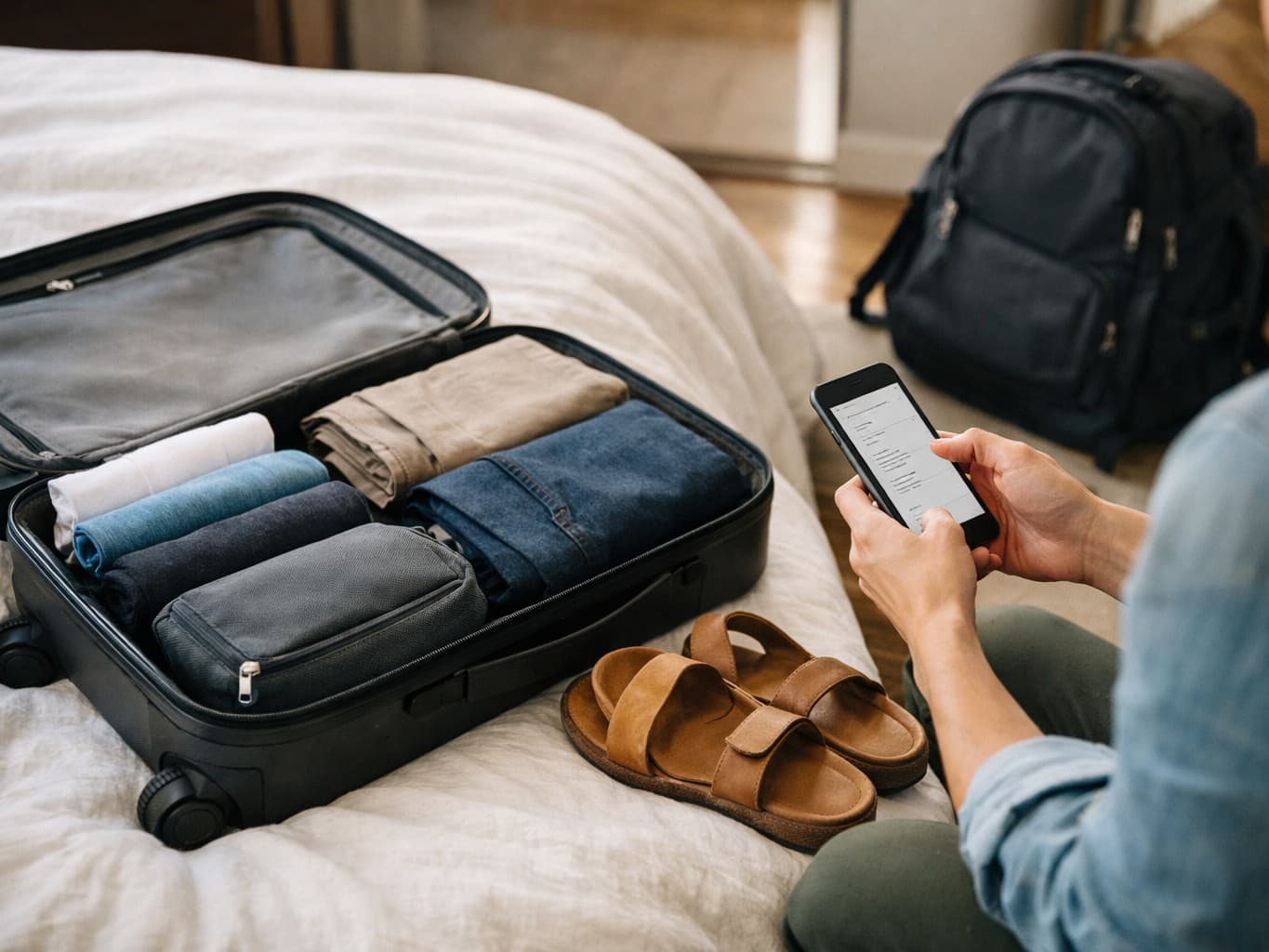
Travel lighter if you can. Fewer bags make budget airlines, train changes, stairs, and public transit easier. It also reduces the temptation to grab taxis because your luggage is too annoying to manage. Our guide on How to Pack Light for Two Weeks Without Forgetting Basics is useful here because light packing is not just convenient; it often saves money across the whole trip.
Build a rough budget before you book
Do not just total transport and accommodation. Add a realistic daily estimate for:
- food
- local transit
- attractions
- coffee, snacks, and convenience spending
- airport transfers
- buffer for mistakes or price surprises
This matters especially if the trip is coming out of uneven income or a broader savings goal. If you are juggling variable pay, the same logic in Budgeting Tips for Irregular Freelance Income as a Creative applies surprisingly well to travel planning: separate essentials, build a buffer, and avoid pretending best-case cash flow is guaranteed.
Use AI carefully, not blindly
AI tools can help brainstorm routes, compare pacing options, or generate packing checklists. But they are also capable of giving outdated transport advice, unrealistic transfer times, or invented details. If you use them for planning, verify anything that affects money or timing. How to Use AI Without Losing Critical Thinking is a good framework for that.
Common mistakes that make budget travel Europe more expensive
Trying to visit too many countries
A packed itinerary feels ambitious but often wastes money. Europe looks compact on a map; travel days still consume time, energy, and cash.
Booking too late
Last-minute spontaneity sounds romantic until you are paying premium rates in a city with a festival, holiday weekend, or sold-out train route.
Chasing the absolute cheapest option every time
The cheapest flight with awkward timing, a remote airport, and strict baggage fees may cost more in the end. The goal is value, not just the lowest headline price.
Staying in the center at all costs
Historic centers are convenient, but not always worth the premium. A well-connected neighborhood a little farther out can cut accommodation costs without hurting the trip.
Treating every day like a special occasion
If every meal is in a high-demand area, every transfer is a taxi, and every attraction gets a paid upgrade, your “budget” trip becomes expensive by accumulation.
A simple framework for a cheaper Europe trip
If you want one practical formula, use this:
Build the trip in this order
- Choose a season with lower demand if possible.
- Pick a region known for better value, not just status.
- Limit the number of stops.
- Price flights and accommodation before finalizing the route.
- Compare train and bus options early.
- Reserve the expensive essentials first.
- Plan for a mix of paid highlights and free days.
- Leave space for rest so you do not buy convenience constantly.
That is what budget travel Europe usually looks like in real life. Not suffering, not luxury, and not a fantasy where every destination is equally affordable. Just a trip designed around cost-aware choices that still leave room for enjoyment.
The real goal of budget travel Europe
The point is not to spend as little as possible. The point is to spend intentionally enough that Europe becomes accessible without the stress of constant damage control.
If you cut the biggest costs first, avoid expensive routing mistakes, stay a little longer in each place, and keep daily habits simple, Europe can be far more affordable than many travelers assume. A good budget trip should still feel like a trip you wanted to take, not a test of deprivation. The best plans save money by removing waste, not by removing everything enjoyable.