How to Avoid Tourist Traps Without Missing the Best Parts
A practical guide to spotting overpriced, low-value travel experiences and finding better places to eat, stay, and explore.
Deelo Editorial
You avoid tourist traps by checking who a place is really designed for: if it relies on foot traffic, hard sells, generic menus, or convenience pricing, treat it cautiously. The goal is not to avoid famous places altogether, but to avoid paying premium prices for low-quality, crowded, forgettable versions of them.
Most travelers get caught not because they are careless, but because they are tired, rushed, hungry, unfamiliar with local norms, or trying to make the most of limited time. Tourist traps are built around exactly those conditions. If you know the patterns, you can still see major sights, eat well, and stay on budget without turning your trip into an exhausting scavenger hunt for “hidden gems.”
What a tourist trap actually is
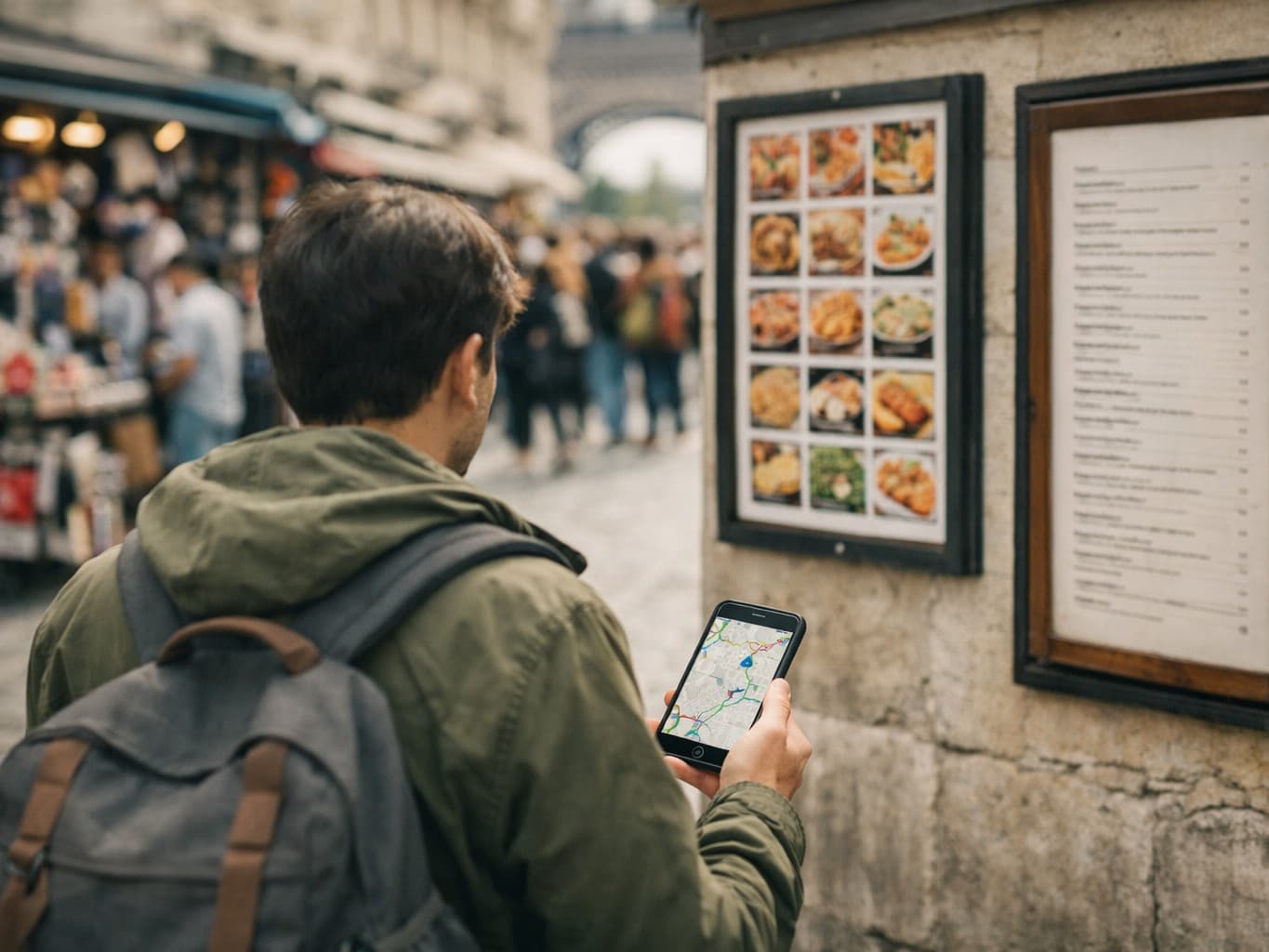
A tourist trap is not just a popular attraction. The Eiffel Tower is popular; a restaurant next to it with laminated photo menus, aggressive staff outside, and prices far above nearby equivalents is more likely to be a trap. The difference is value.
A tourist trap usually has some mix of these features:
- prices that are noticeably inflated for what you get
- quality built for one-time visitors rather than repeat local customers
- pressure tactics that rush your decision
- convenience sold at a steep premium
- a generic version of local culture packaged for easy consumption
That matters because many expensive travel experiences are not traps. Some landmarks cost money because they require maintenance, timed entry systems, or limited access. Some famous restaurants are genuinely good. Some heavily visited neighborhoods are worth seeing even if you do not eat or shop there.
A better question than “Is this touristy?” is “Am I getting fair value for this place, this meal, or this experience?”
The biggest signs you're walking into one
The easiest way to avoid tourist traps is to recognize the setup before you sit down, book, or buy.
Restaurants with the usual warning signs
Restaurants are one of the most common travel budget leaks. Watch for a cluster of signals rather than a single red flag:
- staff trying to physically stop passersby or wave them in from the street
- large photo menus in multiple languages with very broad, unfocused offerings
- a location directly beside a major landmark where nearly every table is filled by obvious short-stay visitors
- posted prices that seem high even for the neighborhood, especially for basic dishes or drinks
- service charges, seating charges, or extras that are not explained clearly before ordering
- frozen-looking or generic food in a place advertising itself as highly traditional or local
None of these alone proves a place is bad. But several together often mean the business does not need repeat customers. It just needs a constant stream of new arrivals.
Taxis and transfers that exploit confusion
Transport traps usually happen the moment you arrive. Airports, train stations, ferry ports, and major bus terminals create perfect conditions for overcharging: people are carrying luggage, unsure of the local language, and eager to get moving.
Be cautious when:
- a driver approaches you inside the terminal or station before you seek one out
- there is no visible meter, posted fare system, or clearly marked taxi rank
- the price is quoted vaguely or refuses to be confirmed before departure where that is normal
- a “special shuttle” seems much more expensive than public transport or official airport transfer options
In many places, the safest money move is to decide your arrival transport before you land. That might mean saving an official taxi app, understanding the train route, or pre-booking only through a clearly established provider.
Souvenir shops selling the same thing every 20 feet
If every shop on a street is selling nearly identical magnets, scarves, keychains, or “artisan” goods, you are in a convenience market, not necessarily a quality one. That does not mean you should never buy there. It means you should assume markup first and uniqueness second.
Good questions to ask yourself:
- Is this item clearly mass-produced?
- Have I seen the exact same thing in multiple shops?
- Would I still want it tomorrow, away from this crowd?
- Could I buy a better version in a neighborhood where locals actually shop?
Tours built around urgency and upsells
The phrase “last spots left” is not always meaningful. Neither is “VIP” if all it means is a bus, a headset, and a rushed stop at a souvenir outlet. Be careful with tours that seem designed around emotional pressure rather than clear information.
Look for:
- vague itineraries
- unclear inclusions and exclusions
- very short stop times at the main attraction
- shopping stops presented as cultural experiences
- heavy upselling after the initial booking
A decent tour operator usually explains what the day looks like, how transport works, what fees are extra, and how much free time you will actually have.
How to research smarter before you go
Avoiding tourist traps starts before the trip, but it does not require building a spreadsheet for every coffee.
Use maps, not just list articles
A simple map search often tells you more than a glossy “best places” roundup. Search an area, then zoom out by a few streets. Restaurants right on top of major landmarks often carry the highest convenience premium. Places even a short walk away can be meaningfully better value.
Read recent reviews, but read them for patterns rather than scores. A place with a decent rating can still be wrong for you if repeated reviews mention long waits, rushed service, tiny portions, or surprise charges. On the other hand, occasional complaints about crowds at a famous place may just mean the place is famous.
Learn the local payment and tipping basics
A lot of people overpay because they are unsure what is standard. Knowing whether tips are expected, whether tap water is commonly free, whether bread arrives automatically at the table, or whether service charges are typical can save money and awkwardness.
This is especially useful in Europe, where customs vary from country to country. Basic norms around taxis, restaurant covers, card minimums, and public toilets can all affect what feels like a trap in the moment.
Book the big-ticket items with a clear plan
If a destination has one or two major sights you genuinely care about, figure those out early. Official tickets, timed entry, and realistic transit plans reduce the chance that you end up buying overpriced skip-the-line access from a reseller out of panic.
The same logic applies to flights and arrival days. A rushed itinerary makes you more vulnerable to bad decisions. If you are still planning the transport side, The Best Time to Book Flights, According to the Data is a useful starting point.
How to eat near famous places without getting fleeced
You do not need to hike an hour from every landmark to find a decent meal. Usually, you just need a little distance and a little selectiveness.
Walk a few blocks before choosing
In many tourist-heavy city centers, the first ring of restaurants around a major attraction is priced for convenience. Walking even five to ten minutes away can change both price and quality. This is one of the highest-return habits in travel.
That extra walk also gives you time to compare.
Check:
- whether locals seem to be eating there, not just sitting with drinks
- whether the menu is reasonably focused rather than trying to cover every national dish at once
- whether prices make sense relative to neighboring spots
- whether the restaurant looks busy at plausible meal times without someone begging people to enter
Eat at different times when possible
Dining just before or after peak rush can help in crowded cities. Staff are less stressed, you are less likely to grab the first available option, and you can assess a place more calmly.
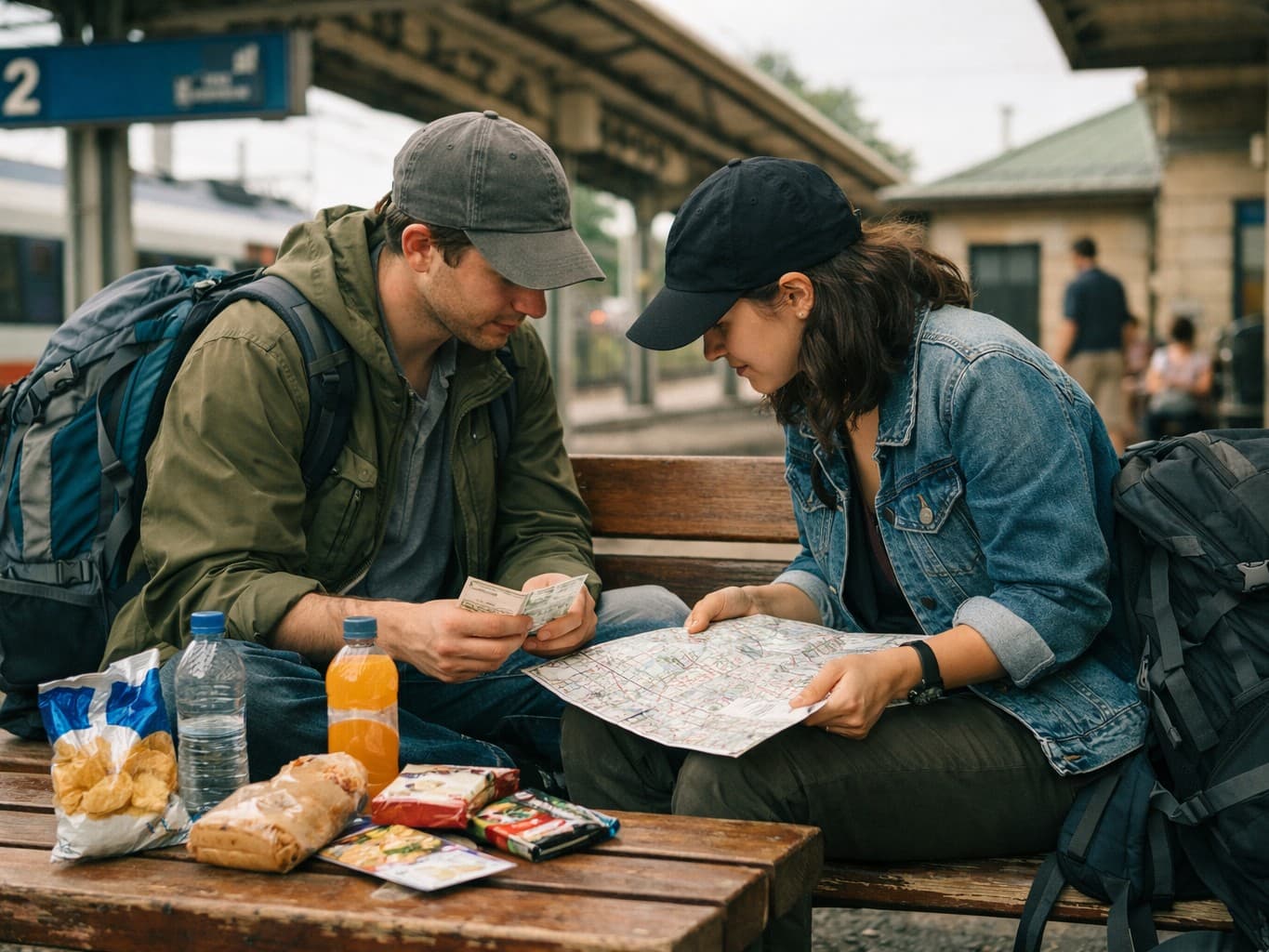
It also helps to have a fallback plan for hunger. Many poor food decisions happen when you are exhausted and desperate. Carrying a snack or knowing one reliable bakery, grocery store, or casual chain near your hotel can keep you from paying too much for a bad meal.
Use markets and lunch specials carefully
Markets can be great, but they can also be full of overpriced “authentic” stands aimed at visitors. Compare stalls before buying. See where people are actually eating, not just photographing their food.
Lunch specials, set menus, and bakeries often offer better value than dinner in heavily visited areas. Grocery stores are another underrated option for breakfast, fruit, and simple picnic meals, especially in expensive cities.
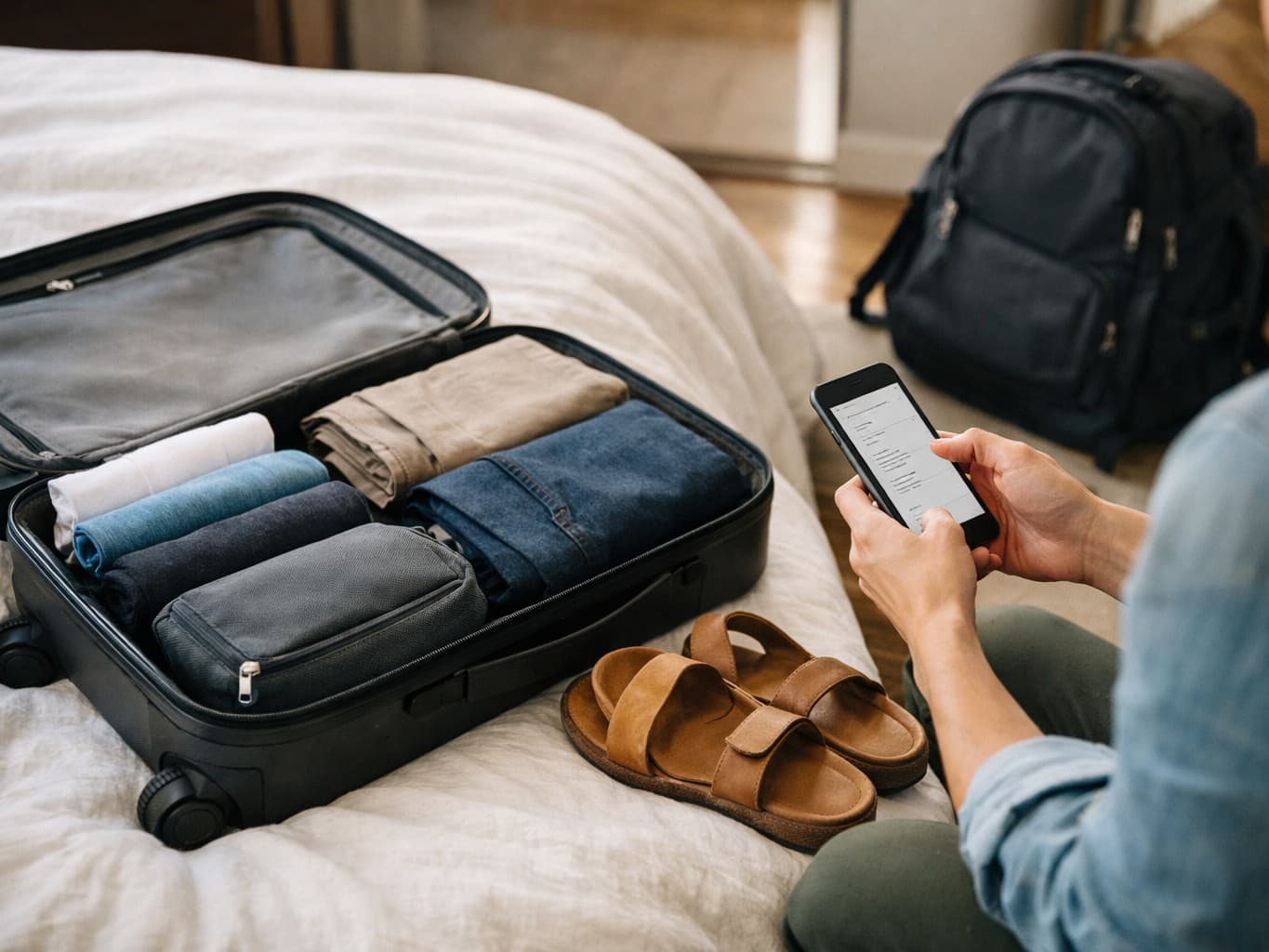
If your bigger trip goal is stretching a Europe budget without feeling deprived, this pairs well with How to Pack Light for Two Weeks Without Forgetting Basics, because lighter travel makes it easier to walk more, use public transit, and avoid paying convenience premiums all day.
How to visit major attractions without the worst trap behavior
The mistake is not going to famous places. The mistake is treating every famous place as an all-day spending zone.
Separate the sight from the spending around it
Many landmark areas are worth visiting for the architecture, history, or atmosphere, but poor value for meals, shopping, and impulse buys. See the cathedral, square, palace, or viewpoint, then leave the immediate radius before eating or shopping unless you already know exactly where you want to go.
This one shift fixes a surprising amount.
Go early, late, or on a clearer plan
Crowds make people spend badly. When you are jostled, overheated, and low on patience, a bad deal starts to look acceptable. Early visits, evening walks, and pre-booked entries often reduce that pressure.
If a destination allows timed entry, use it. If a viewpoint is free at sunrise but jammed and commercialized midday, choose the calmer window if your schedule allows. Less chaos usually means better decisions.
Be realistic about “skip-the-line” offers
Some skip-the-line products are legitimate. Some are just marked-up standard tickets or guided access you do not actually want. Before buying, check whether the official site already offers timed entry, whether the line you are seeing is for ticket purchase rather than admission, and whether there is a free or lower-cost way to structure the visit better.
How to find better alternatives without chasing fake authenticity
Not every traveler wants “secret” neighborhoods and obscure local-only spots. Most people just want places that feel real and fairly priced.
Look one neighborhood beyond the postcard zone
In many cities, the best compromise is the area just outside the main tourist core. These neighborhoods are still accessible, still attractive, and still visitor-friendly, but less distorted by one-time foot traffic.
That is often where you find:
- simpler restaurants with tighter menus
- better coffee at normal prices
- useful grocery stores and bakeries
- independent shops with less identical inventory
- a pace that lets you notice more and spend less impulsively
Use local routines as clues
Where are people buying lunch on weekdays? Where do commuters get coffee? Which parks, food halls, or casual spots fill up at ordinary times? You do not need to “live like a local” to benefit from local patterns. You just need to notice where daily life is actually happening.
A practical rule: places built for routine are often better value than places built for spectacle.
Do not overcorrect into inconvenience
Some travelers become so determined to avoid tourist traps that they waste time, energy, and transit money chasing a perfect non-touristy experience. That can backfire too.
A central café that is merely a bit expensive may be fine if it saves you an hour and gives you a good break. The goal is not purity. The goal is avoiding obvious low-value choices.
Common mistakes that make tourist traps harder to avoid
Assuming expensive means authentic
Price and authenticity are not the same thing. A costly restaurant in a historic square may be trading on location and ambience more than cooking. A handmade-looking item may still be wholesale merchandise. A premium tour may still be badly organized.
Believing every “hidden gem” recommendation
Social media has created a second-order tourist trap: places marketed as anti-tourist-trap discoveries that then become crowded, overpriced, and performatively local. If dozens of creators are posting the same “secret spot,” it is not secret.
Use recommendations as leads, not proof.
Making decisions when you are depleted
Fatigue is expensive. So is confusion. So is arriving without cash when only one bad exchange booth is available, or landing without knowing the airport train exists.
The more regulated and simple your basics are, the less likely you are to get picked off by convenience pricing. That includes travel money planning too. If the bigger challenge is keeping your trip affordable overall, articles like Does the 50/30/20 Budget Rule Still Work in 2026? can help you think more realistically about categories and tradeoffs before you go.
A simple tourist-trap test to use on the spot
When you are unsure, run through this quick check:
- Would I choose this if it were not directly in front of me right now?
- Can I see the full price clearly before committing?
- Does this place need me to decide immediately?
- Have I compared even one alternative nearby?
- Am I paying for quality, or just for convenience and confusion?
If the answer set makes you uneasy, pause. Walk a little farther. Check the map. Read a few recent reviews. Buy after the pause, not before it.
That pause is usually the difference between a memorable travel day and the kind of experience people complain about later: overpriced food, underwhelming tours, fake urgency, and the feeling that a destination was less generous than it really was.
The best way to avoid tourist traps is not to reject popular travel. It is to notice when popularity has been turned into a low-value product, then step slightly to the side of it. Often, that is all it takes.